Most readily useful Methods for Locating Trusted Sober Living in New York


Healing from substance dependence is a organized trip that will require security, accountability, and continuous support. Recently, transitional housing designs have obtained recognition for improving healing outcomes, specially in metropolitan environments. In the center of this organized approach lies sober living nyc, which gives people with a healthy environment that connections the difference between rehabilitation programs and separate living. These residences are made to foster obligation while maintaining a supportive neighborhood framework.
What Makes Sober Living Effective?
Sober living settings work on structured exercises and provided responsibilities. Residents are usually needed to follow house directions, attend recovery meetings, and donate to daily activities. According to behavioral recovery studies, individuals who change through organized property are somewhat more prone to keep sobriety beyond 12 months in comparison to people who get back straight to unstructured environments.
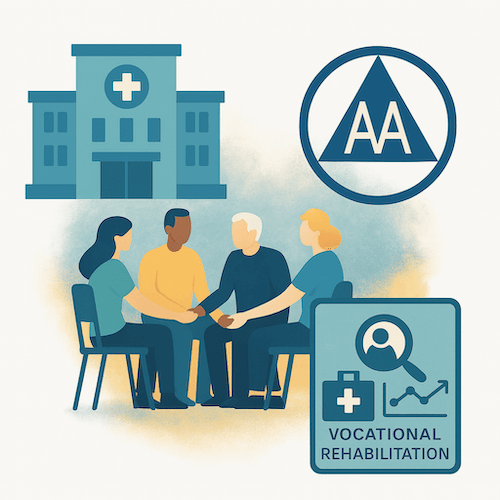
Statistics indicate that as much as 65% of an individual in helpful housing applications keep long-term abstinence, demonstrating the significance of balance throughout early recovery stages. These situations lower exposure to sparks and promote healthier life style habits.
How Does Community Support Influence Recovery?
Community represents a vital role in healing success. Living along side friends who reveal similar goals creates an expression of accountability and mutual encouragement. Residents usually take part in class discussions, expert mentoring, and collaborative problem-solving.
Research shows that people in community-based recovery options report lower relapse costs due to consistent psychological support. The distributed knowledge fosters confidence, reduces solitude, and strengthens motivation to remain sober.
What Role Does Routine and Accountability Play?
Routine is just a critical element in long-term recovery. Sober living homes stress organized schedules that include perform, treatment sessions, and personal progress activities. This consistent everyday beat helps persons restore discipline and restore control around their lives.
Accountability actions, such as normal check-ins and substance screening, more strengthen commitment. Information shows that individuals who stick to organized exercises are 40% prone to maintain healing compared to those without day-to-day accountability systems.
Are Employment and Life Skills Part of the Process?
Yes, several sober living programs focus on reintegration into culture through employment and skill-building. Residents are encouraged to get careers, keep on education, or participate in vocational training.
Data show that employment somewhat increases healing outcomes by increasing self-esteem and financial independence. Programs that incorporate living skills training—such as budgeting, time administration, and communication—prepare individuals for long-term success away from recovery environment.
How Does Sober Living Reduce Relapse Risks?
Relapse prevention is really a primary goal of sober living environments. By reducing exposure to high-risk situations and reinforcing coping techniques, these applications produce a protective framework.

Reports demonstrate that individuals who invest at the very least 90 times in sober living housing knowledge especially decrease relapse rates. Constant checking, combined with look support, assures early intervention if issues arise.
What Long-Term Benefits Can Be Expected?
The long-term advantages of sober living extend beyond abstinence. People frequently knowledge increased emotional wellness, stronger relationships, and increased personal responsibility. The structured move allows residents to gradually conform to separate living while maintaining help systems.
Data-driven insights make sure folks who total sober living applications are prone to obtain stable property, keep employment, and sustain recovery over numerous years.
Final Perspective
Sober living settings in NYC offer as a critical element in the healing continuum. By combining framework, community, and accountability, these applications considerably boost the likelihood of long-term success. For individuals seeking a stable course forward, this design provides a established and efficient alternative seated in both study and real-world outcomes.